
select links from 2026-03-08
Agent skills, Polyglot, publication-ready ggplots


Hello friends! Going forward, I think I’ll keep these intros short and sweet. I don’t think I need to express a hot take each week because there’s plenty of those! Unfortunately, I have to visit LinkedIn. There’s no paucity of posts about “gamechangers” or “insights”. Do you remember OpenClaw? So apparently there’s picoclaw, nanoclaw, ironclaw (because it’s written in rust), zeroclaw, nanobot, OpenClaw got bought by OpenAI as another bridge to more token consumption. The public information streams are absolutely noisy.
What are Code Assistant skills?
In the AI world, skills are conditional system prompts, i.e. the coding agent is aware of these prompts but accesses them on a “need to know” basis. For example, if the agent needs to write R code, it pulls up the “writing R code” skill. It’s great because LLMs struggle when presented with too much irrelevant information. If you are using coding agents, I definitely recommend them. I also recommend building them yourself because best practices are still emerging.
I really like this skill for the mirai R package because it contains plenty of code examples and very explicit instructions how to use the package. There are a few things I would change:
I would move the "Converting from parallel” and “Converting from future” as a separate skill - again, we want to access skills for specific scenarios. In this case, I want my agent to access these when I am refactoring code.
I would shorten the skill - Amol Kapoor at Nori is focusing on skills and they recommend a skill be up to 150 lines.
I would drop the “You are an expert on…” part - I can’t find a reference but I read that it doesn’t lead to improved outcomes.
Amol also released a skill linter recently. Our team is actively writing skills internally so I am excited to see what the linter does!
Polyglot
Tobias Müller recently released Polyglot, a SQL transpiler written in Rust. Polyglot is capable of transpiling 33 SQL dialects. The accompanying blog post goes into more details around implementation. If you are working in an enterprise setting, chances are you need to juggle different SQL dialects. I see this as a pretty daily driver around rewriting code.
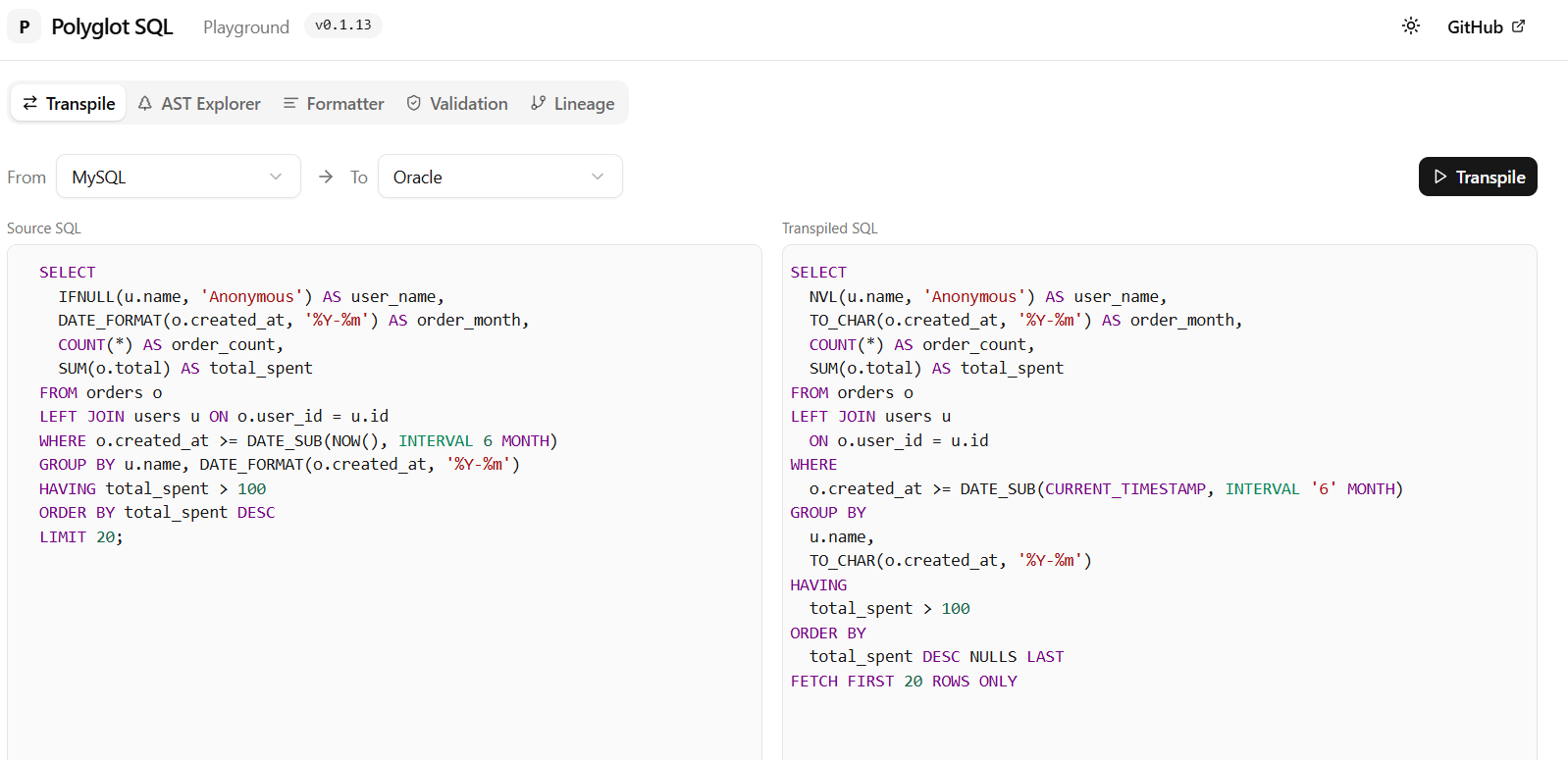
I’ve tried it on a very niche SQL query that was piggybacking on how T-SQL ignores floating points when working with integers, but it didn’t work. I have a feeling Polyglot would work in more mundane scenarios so give it a spin!
Creating actually publication-ready figures for journals
Jörn Alexander Quent recently published a great guide on how they format ggplot2 figures for publications.
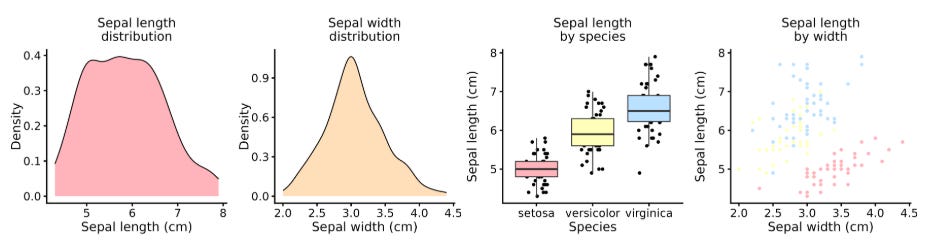
I wish I could send this blog post back to 2018 when I was doing my Master’s degree. If you are writing a paper or are still studying, this post covers every major pain point I’ve encountered myself. It’s great!
Also, I really like tidyplots as a “publication ready” graph package.
That’s a wrap!
That’s it, let’s end on a high note, have a great week!
in re: Polyglot -> try sqlglot for this. Has same methods, though it's purely Pythonic, no UI (but I guess there's nothing stopping AI from creating one :D)