
select links from 2025-11-15
Looking at the Data, VLAs, continuous learning and a good batch of links.

If last week I was under the weather, this week my cold ravaged my sinuses. I’m feeling better now but I knocked my sleep cycle out of whack. So here I am in the middle of the night, knowing I'll be feeling like a wet sock tomorrow.
I’ve also been thinking how to approach this blog. I don’t think I want this to be a link aggregator type of thing all the time. This entry is more topic-oriented, let me know if you like it. Enjoy!
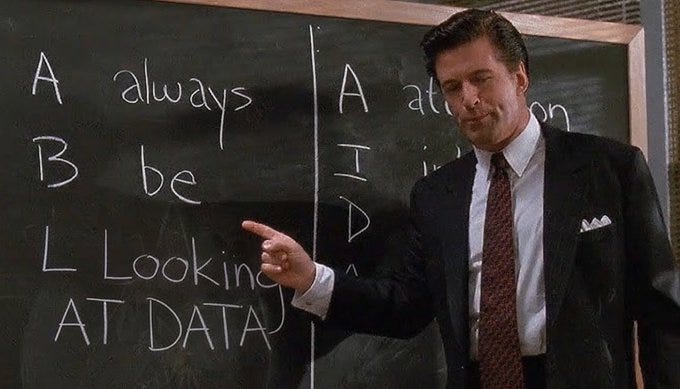
Learn whatever you like
Have you seen this tutorial on writing your own ggplot2 geoms? It’s neat, I love it! On this blog, you will see me share R related things more often because I follow the #rstats infosphere. But also I know most readers are not familliar with R, so this is my way of showing a different perspective on programming. You should definitely try different languages, different frameworks and expand your mind!
The blogpost The Forty-Year Programmer nails it:
Writing code, just like writing, is a form of thinking. A different language or framework places restrictions on how to think, e.g. functional languages will make you think in functions, OOP makes you think about mutable objects. This, in theory, is also humbling as you can start seeing how others think based on what languages they’re using. A few years ago, I was baffled at some of the things in Python because I was so used to R’s vector-like and functional approach. You can always learn something new.
World models and data
Here’s a neat paper released recently: it’s called Open Play: A longitudinal dataset of multi-platform video game digital trace data and psychological measures.
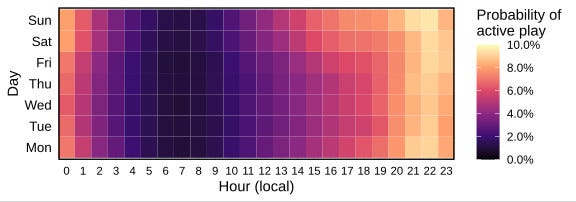
The dataset is comprised of survey data as well as telemetry data from 1.5 million hours of video game play. If you’re a gamer and you need a dataset for your portfolio, this is it!
Speaking of data, another thing that caught my eye was the term “world models” after reading about how Meta’s top researcher left to found their own startup. Up until now I was somewhat aware of how multi-modal models work - HuggingFace has a great chapter on it. The idea is that for image-text pairs, you create joint embeddings.
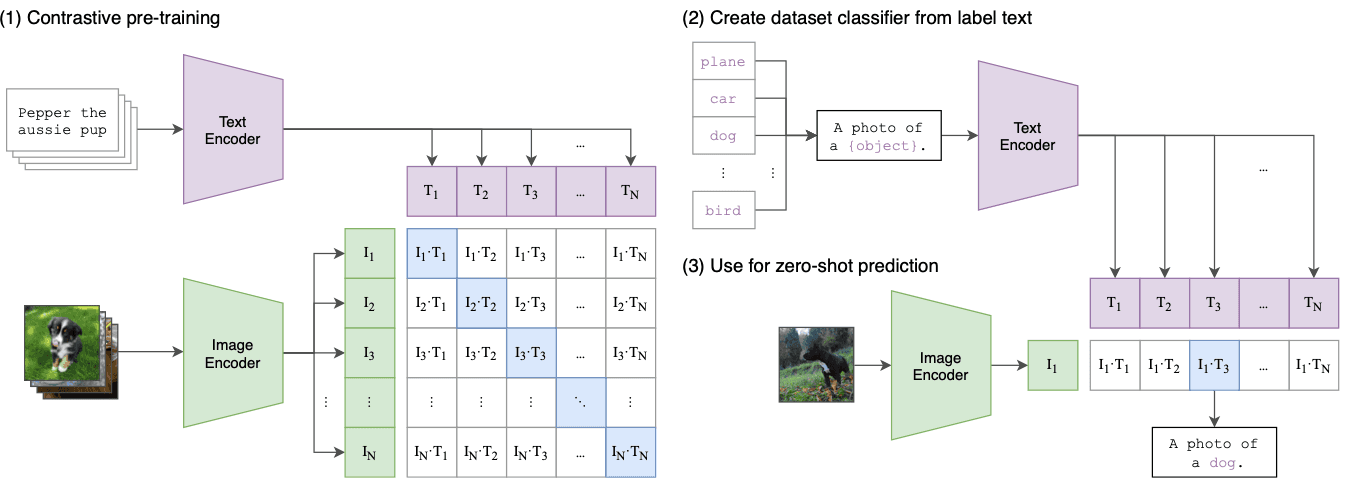
The resulting VLM is neat because it can “speak” images and text, and it can translate your text into an image. Veo 3 combined text, images AND audio.
World models are supposedly the next big step. The physical world cannot be represented by image and text alone, there are other modalities such as depth, speed or texture. In short, the state of your surroundings. These are Vision-Language-Action models where the output is the predicted action of a robot’s limb. This blogpost from Generalist about their GEN-0 foundational model is a great starting point to understand the state and the challenges of the field.
What I gather is that the next immediate frontier might not be AGI or some super-LLM but instead a leap in robotics where physical tasks become useful enough. GPT-3 and DALL-E were fun but not useful a couple of years ago. Look at where we are now!
Other Links
This week’s other links section is awesome - I suggest taking a peek!
Tool: Detective Board
Blogpost: Think for Yourself
Blogpost: Take-Home Exercises
Blogpost: How I’ve run major projects
Repo: Spec-Driven Development
Book: Twin Wolves: Balancing risk and reward to make the most of AI
Video Playlist: posit::conf(2025)